 Santa Clara Hub
In 1988, Santa Clara faced a crossroads in its journey through Portuguese football. After a series of disappointing results, the club's management decided it was time for a change. Under the leadership of coach Carlos Manuel, the team adopted a new tactical system that prioritized ball possession and a more offensive style of play, in stark contrast to the defensive approach that had characterized the team in previous years.
The implementation of this new style led to immediate results. Players, who had struggled to adapt to a more conservative philosophy, began to shine under the new approach. Victories started to emerge, and the team's spirit was rejuvenated. The fans, who had always been passionate and loyal, saw a new hope on the pitch and began to believe in a more promising future.
One of the standout players in this new format was midfielder Nuno, who became a key piece in transitioning from defense to attack. Nuno not only contributed defensively but also ventured into the attack, creating opportunities and assisting goals. His ability to read the game and understanding with the forwards transformed Santa Clara into a feared team among opponents.
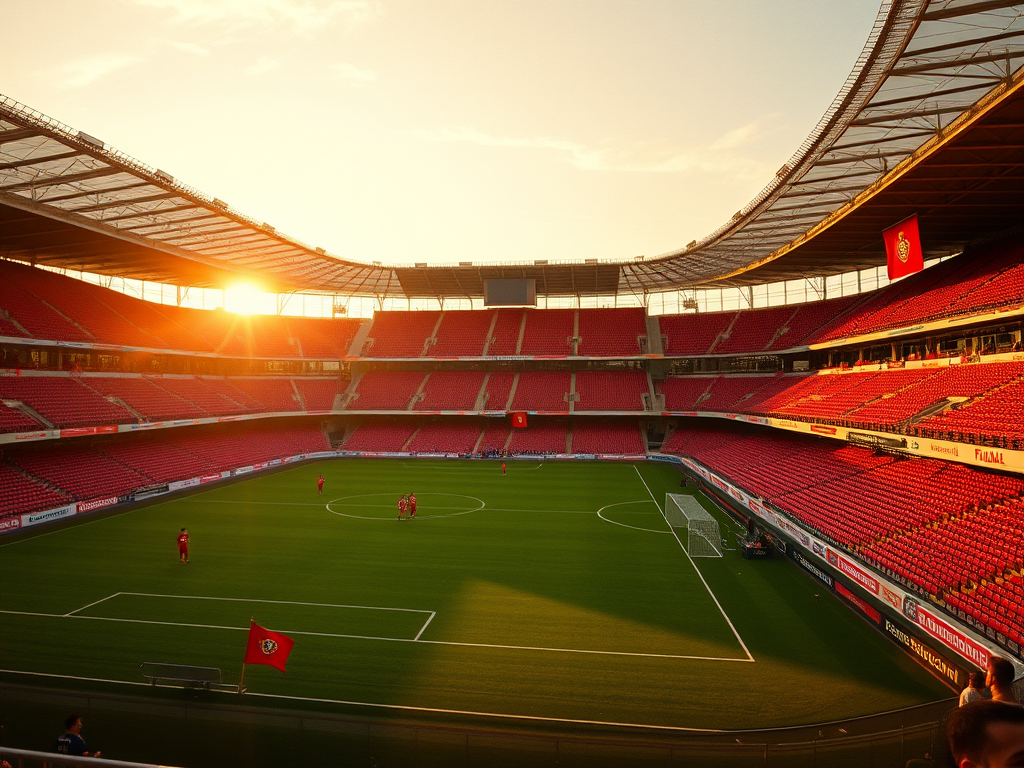
The rivalry with Marítimo also took on a new chapter that year. In direct confrontations, Santa Clara began to demonstrate a dominance that had not been seen in years. Each match against their rivals was not just a battle for results but a declaration that the Açorianos were back. The stands of Estádio de São Miguel filled with fans, cheering for every attack and passionately defending the club's new identity.
Moreover, the impact of Carlos Manuel's tactical revolution was felt beyond the results on the pitch. Santa Clara began attracting new talents, players who identified with the new style of play. The club became a reference point for developing young players, many of whom would become pivotal for the team in the years to come.
To this day, the revolution of 1988 is remembered as one of the most important moments in Santa Clara's history. The transformation not only altered the team's trajectory in terms of results but also established a new philosophy that endures to this day. The courage to change and the willingness to innovate became defining characteristics of the club, solidifying Santa Clara's position in the hearts of fans and in the annals of Portuguese football history.